Step-by-Step Skylights Rooflights Guide for Designers
The Complete Guide to Selecting the Perfect Skylights for Your Space
Selecting the best skylights can greatly affect a home's atmosphere and energy efficiency. Each type provides special benefits, from greater natural light to improved ventilation. However, selecting the perfect skylight demands thorough assessment of several factors, including size, placement, and materials. Homeowners must weigh these aspects carefully. Recognizing these factors is crucial for making an informed decision that enhances both functionality and style. What follows in this decision-making process?
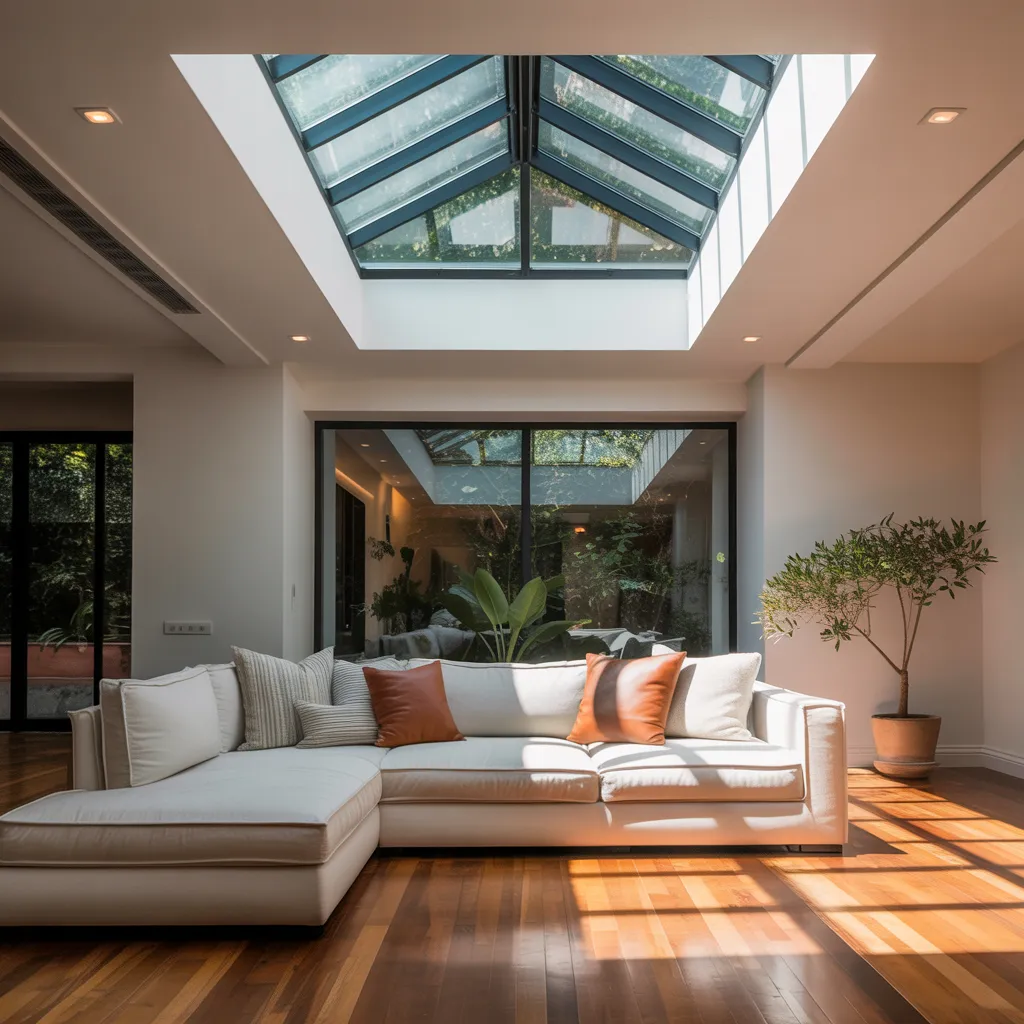
Learning About the Benefits of Skylights for Your Home
Skylights deliver numerous advantages that can greatly enhance a home's character and efficiency. They introduce natural light into areas that could otherwise seem dim or confined, creating a warmer and more comfortable environment. This influx of daylight can reduce reliance on artificial lighting, leading to decreased electricity expenses. Furthermore, skylights can enhance airflow, especially when vented options are selected, allowing hot air to exit and fresh air to enter.
Moreover, skylights can provide a connection to the outdoors, allowing occupants a look of the sky and nearby landscape. This visual bond can improve spirits and foster overall health. Additionally, carefully positioned skylights can improve the architectural appeal of a home, contributing a contemporary element that can improve property desirability. All in all, the benefits of skylights surpass mere aesthetics, promoting energy conservation, well-being, and an improved quality of life in the home.
Comparing Different Types of Skylights: Find Your Perfect Match
When examining skylights, it is essential to appreciate the wide range of styles offered, each providing distinct advantages designed for different areas. The selection of a skylight can greatly impact natural light, efficiency, and overall design, making the optimal placement vital. By comparing these factors, homeowners can identify the perfect match for their particular preferences.
Types of Skylights Explained
Natural light can transform a space, and selecting the right type of skylight is essential for achieving the desired effect. There are numerous types of skylights to consider, each created for distinct purposes and aesthetic qualities. Fixed skylights deliver a consistent source of natural light, ideal for areas where ventilation is unnecessary. Ventilated skylights, alternatively, can be opened to admit fresh air, making them suitable for kitchens and bathrooms. Tubular skylights direct sunlight through specially designed reflective tubes, ideal for compact spaces. Lastly, dome skylights present a remarkable design and are commonly employed in commercial applications. Knowing these options assists in identifying which skylight best suits the particular needs and character of a space.
Advantages of Each Category
Choosing the best skylight can considerably improve both visual appeal and practicality in any room. Every option delivers specific advantages designed for specific needs. Fixed skylights, for instance, provide abundant natural light and are well-suited for boosting a area's brightness without ventilation. Operable skylights, by comparison, enhance air circulation, making them appropriate for wet areas and cooking spaces. Tube skylights are a fantastic option for smaller or confined areas, providing diffused light without affecting space. Skylights equipped with internal shading offer versatility, permitting users to adjust light levels and privacy. Finally, eco-friendly designs help reduce heating and cooling costs, supporting overall energy savings. Knowing these advantages is vital for arriving at a knowledgeable conclusion.
Optimal Installation Spots
Skylight placement plays an essential role in optimizing their advantages and improving the overall aesthetic of a space. Optimal placements include areas that need natural light, such as kitchens, living rooms, and bathrooms. South-facing skylights excel at capturing daylight throughout the day, while north-facing installations deliver steady, diffused illumination free of glare. Moreover, east-facing skylights invite morning light, fostering a refreshing start to the day, whereas west-facing skylights harness afternoon sunlight, perfect for unwinding in the evening. In rooms featuring high ceilings, positioning skylights near the peak can produce a striking effect and enhance airflow. At the end of the day, the decision on skylight type and positioning should match the particular lighting demands and architectural design of the space.
Essential Factors to Consider When Choosing Your Skylights
When choosing skylights, it is important to assess your natural lighting requirements and energy-saving options. Different spaces may demand different levels of natural light, affecting the choice of skylight placement and size. Furthermore, energy-efficient models can considerably decrease climate control costs, making them an excellent investment.
Natural Light Needs
Natural light plays an essential role in enhancing the ambiance and functionality of any space, as it influences both mood and energy efficiency. When deciding on skylights, it is essential to examine the unique natural light demands of the room. Think about the room's function; for instance, living areas benefit from abundant light, while bedrooms may require softer illumination. The positioning of the space is also a key consideration; south-facing skylights generally gather more sunlight during the day, while north-facing alternatives offer a steadier, softer radiance. Additionally, the size and shape of the skylights should align with the desired light intensity, creating a balanced environment. In the end, recognizing these elements ensures that the selected skylights meet the distinct lighting needs of every space.
Efficient Energy Options
Energy efficiency is a critical consideration when choosing skylights, as it directly impacts both energy bills and eco-friendly living. When evaluating options, factors such as glazing type, frame materials, and insulation properties should be prioritized. Dual or triple-pane glazing provides superior thermal performance, reducing heat loss in colder months and heat gain in warmer months. Low-emissivity (Low-E) coatings additionally improve thermal performance by reflecting infrared light while allowing visible light to pass through. Additionally, skylights with energy-efficient frames, such as vinyl or composite materials, minimize heat conduction. Proper installation is essential to avoid unwanted air gaps, guaranteeing optimal efficiency. Choosing ENERGY STAR-rated skylights can find guide significantly reduce utility costs while supporting a greener household.
Choosing the Right Size and Placement for Skylights
Identifying the appropriate dimensions and positioning for skylights is vital for optimizing their advantages. The scale of a skylight should align with the dimensions of the room and the required degree of natural light. More expansive openings can greatly brighten a space but may necessitate thoughtful planning to avoid excessive heat or glare.
Placement is equally important; for best results, skylights should be situated to capture the most sunlight throughout the day while reducing direct sunlight during peak sunlight hours. This can improve both energy efficiency and overall comfort.
Taking room function into account is essential; to illustrate, a kitchen can greatly benefit from a skylight installed over work surfaces, while a living room might prioritize aesthetics. In addition, reviewing the existing structural characteristics and roof angle can guide the selection of ideal positions. Careful sizing and deliberate placement ultimately support a seamless combination of natural illumination and environmental regulation, improving the overall character and feel of the room.
Essential Skylight Materials to Know
When considering skylights, the choice of materials serves a vital role in their performance and longevity. Frequently utilized materials include glass, acrylic, and polycarbonate, with each offering its own set of advantages. Glass is commonly chosen for its robustness and ability to resist UV rays but tends to be heavier and costlier. It further delivers outstanding clarity and thermal insulation when double or triple-glazed.
Being lightweight and more impact-resistant, acrylic, makes for a popular selection among those looking for affordability. That said, it is more prone to scratching and may not insulate as well as glass.
Polycarbonate stands out as another solid option, celebrated for its exceptional impact resistance and energy-saving properties. This material can also provide UV protection, making it an ideal choice for a wide range of climate conditions.
When all is said and done, the decision regarding skylight materials should be in line with the distinct needs of the space, carefully balancing aesthetics, functionality, and budget.
Should You DIY Your Skylight or Hire a Pro?
How does a homeowner decide whether to tackle a skylight installation as a DIY project or hire a professional? This choice frequently depends on several factors, including technical ability, overall project scope, and safety requirements. For homeowners who have a strong foundation in home improvement and a comprehensive knowledge of roofing, a DIY approach may be feasible. They may be able to reduce labor expenses and experience the fulfillment of handling the project independently.
Nevertheless, skylights demand careful installation to stop leaks and maintain structural integrity. Bringing in a professional can lower risks, particularly for people without experience in roofing or construction. Experienced specialists provide expertise, specialized tools, and familiarity with local building codes, which can streamline the process and enhance overall quality. Ultimately, evaluating personal capability against the complexities of skylight installation will help homeowners make an informed choice between doing it themselves and hiring a professional.
Improving Energy Efficiency Through Skylights: Tips and Tricks
Skylights can greatly enhance energy efficiency in a home, particularly when positioned thoughtfully and installed correctly. To achieve the greatest advantage, homeowners need to evaluate the directional positioning of their skylights; south-facing installations harness plentiful natural light, while north-facing options provide consistent, diffused light without excessive heat. Incorporating low-emissivity (Low-E) glass effectively limits heat transmission, maintaining cooler indoor temperatures in summer and warmer conditions in winter.
In addition, incorporating blinds or shades can further regulate light and temperature, enabling adaptable energy consumption. Proper insulation around the skylight frame is critical to eliminate air infiltration, which can contribute to significant energy waste. Furthermore, opting for energy-efficient options that satisfy ENERGY STAR® requirements can substantially reduce overall heating and cooling expenses.
Consistent maintenance, encompassing seal inspection and cleaning, guarantees top performance with continued use. By following these tips, skylights can operate as an efficient solution in achieving greater energy efficiency in any environment.

Questions We Often Receive
How Do Skylights Affect Indoor Temperatures Year-Round?
Skylights can significantly impact indoor temperatures year-round. In the warmer months, they tend to amplify heat absorption, while in colder months, they work to improve natural light and heat retention. Careful positioning and planning are critical for achieving ideal thermal comfort.
Do Skylights Work for Every Type of Roof?
Not all roof types are compatible with skylights. The installation process relies on roof pitch, material, and structural soundness. Conducting a proper assessment ensures maximum performance and reduces the risk of leaks or structural concerns in the long run.
What Ongoing Maintenance Do Skylights Require?
Skylights require regular maintenance, such as wiping down the glass, checking seals for leaks, and evaluating the flashing condition. Periodically, homeowners should assess the nearby roof area to guarantee proper drainage and protect against water damage over the years.
Can Skylights Assist in Reducing Electricity Bills?
Skylights can certainly contribute to reducing energy expenses by enhancing the amount of natural light in a room, consequently minimizing dependence on electric lighting. This can lead to significant energy savings, most notably in strategically located and adequately insulated setups.
What Are the Best Brands for Skylights?
Leading skylight brands feature Fakro, Velux, and Roto. These manufacturers are celebrated for their superior quality, energy efficiency, and cutting-edge designs, rendering them leading selections with homeowners and contractors looking for perfect natural lighting solutions.